
Dubai Interior Design Trends for 2027: What Luxury Homeowners Should Know Now
Dubai Interior Design Trends for 2027: What Luxury Homeowners Should Know Now
Every year the industry produces a fresh batch of “top trends” lists. Most of them read the same because they’re written from a spreadsheet of hashtags rather than from a portfolio of real homes. Ours isn’t. What follows is what we’re actually seeing on the drawing board and on site across our current villa and residence projects in Dubai — and what we expect to define luxury interiors through 2027.
1. Warm minimalism replaces cold minimalism
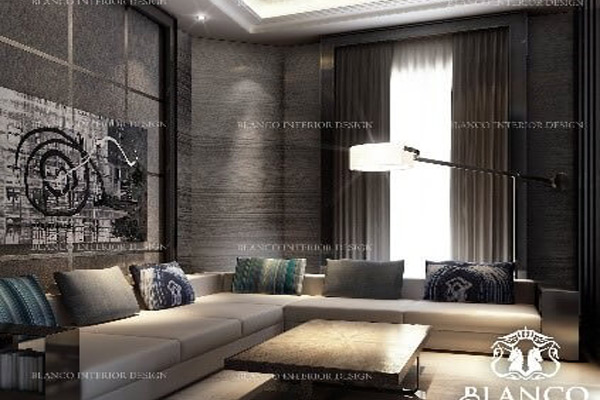
The stark white-box minimalism of the last decade is softening. Clients are still asking for calm, uncluttered rooms, but they want them built from materials that hold warmth — lime-washed plaster, fluted oak, unlacquered brass, honed travertine — rather than the glossy, high-contrast palettes that dominated 2018–2022. The result reads as considered rather than sparse.
2. Indoor–outdoor living becomes a full design brief, not an afterthought
In a climate like Dubai’s, the line between interior and exterior is one of the few genuine differentiators a design firm can offer. We’re seeing more villa briefs where the majlis, pool deck, and shaded outdoor lounge are designed as a single continuous sequence — matched flooring transitions, consistent sightlines, and furniture that migrates between the two without looking like an afterthought.
3. Wellness rooms move from amenity to expectation
A steam room or sauna used to be a splurge. On briefs we’re opening this year, it’s close to a baseline expectation for villa renovations above a certain budget, often paired with a cold plunge and a dedicated recovery or stretching space. This is pulling plumbing and ventilation decisions earlier into the design process than they used to sit.
4. AI-assisted concepting, human-finished execution
Instant AI-generated mood boards are everywhere now, and they’re genuinely useful for the first hour of a project — narrowing direction fast, before a single drawing exists. But the gap between an AI concept image and a buildable, code-compliant, procurement-ready interior is still enormous, and closing it is where the actual craft — and the actual value of hiring a design studio — lives. We use these tools early and set them aside early.
5. Materials with a documented origin
More clients are asking where a stone was quarried or a textile was woven, not out of sustainability box-ticking but because a traceable material story has become part of how a home is presented to guests. Expect specification sheets to start including provenance the way a wine list includes vintage.
6. The multi-generational majlis
Layouts built around a single formal majlis are giving way to a pair of connected but acoustically separated gathering spaces — one for formal, multi-generational hosting, one more informal for immediate family — reflecting how Dubai households actually entertain across a week rather than only on set occasions.
What this means for your project
None of the above matters if it isn’t grounded in how a specific family actually lives in a specific home. That’s the starting point for every Blanco Interior Design project, and it’s why our process begins with a private consultation rather than a template.
Book your private consultation to talk through what 2027 should look like for your home.
Frequently Asked Questions
What is the biggest interior design trend in Dubai for 2027?
Warm minimalism is the clearest shift — clients still want calm, uncluttered rooms, but built from materials that hold warmth, like lime-washed plaster and unlacquered brass, rather than the stark white-box look that dominated recent years.
Are wellness rooms worth adding to a Dubai villa renovation?
For villas at the upper end of the market, yes. Steam rooms, saunas, and cold plunge setups have moved from optional extras to near-standard requests, and they’re easiest to plan when plumbing and ventilation are considered early in the design.
Should I use AI tools to plan my interior design project?
AI-generated moodboards are useful for narrowing direction quickly in the first hour of a project, but they can’t produce buildable, code-compliant, procurement-ready interiors. That gap is where an experienced design studio’s craft still does the real work.
What materials are trending in luxury Dubai interiors right now?
Materials with a traceable origin — quarried stone, woven textiles, sustainably sourced wood — are increasingly part of how a home is presented to guests, alongside warm, tactile finishes like fluted oak and honed travertine.